Gutter Repair Questions to Ask Before the Rain Starts
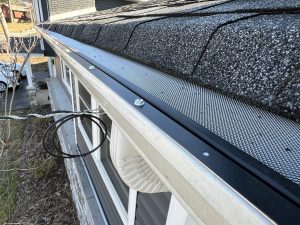


Most gutter problems stay quiet until the first hard storm puts them on display. A loose section that seemed harmless in dry weather suddenly spills a sheet of water over the entry. A small seam leak turns into muddy trenches along the foundation. An old downspout that looked merely tired begins backing up and dumping water against siding, fascia, and flower beds.
That timing is what makes gutter repair easy to postpone and expensive to regret. By the time water is visibly overflowing, the issue often goes beyond the gutter itself. I have seen simple repairs become fascia replacement, soffit work, siding cleanup, landscape regrading, and basement moisture mitigation, all because nobody asked a few practical questions early enough.
If you are planning any kind of Gutter Repair before wet weather arrives, the smartest move is not to start with price alone. Start with the right questions. Good questions reveal whether you need a minor fix, a targeted rebuild, or a more complete replacement strategy. They also help you separate useful workmanship from cosmetic patch jobs that fail during the next serious rain.
What exactly is failing, and where?
This is the first question because “the gutter is leaking” is rarely specific enough to lead to the right repair. Gutters fail in several distinct ways, and each one points to a different remedy.
Sometimes the problem is structural. The gutter may be pulling away from the fascia because spikes have loosened, hidden hangers have failed, or the wood behind the fasteners has softened from past moisture. In that case, sealing joints will not solve much. The gutter needs to be resecured, and the mounting surface may need repair first.
Other times the issue is hydraulic rather than structural. The gutter may be attached just fine, but the pitch is off. Water sits in long, shallow pools instead of moving toward the downspout. That standing water corrodes metal, invites debris buildup, and freezes harder in winter. A section that constantly holds water usually needs to be rehung with corrected slope, not simply patched.
Then there are capacity problems. On some homes, especially those with steep roof planes or long valleys feeding one run, the gutter may be undersized for the amount of water arriving during a cloudburst. In those cases, the gutter can be technically sound and still overflow. The repair question becomes whether to add downspouts, enlarge the gutter profile, or redirect water from concentrated roof areas.
You want whoever is evaluating the system to point to exact failure points. Ask them to show you the seam, the end cap, the sagging run, the crushed downspout elbow, or the fascia deterioration. Vague answers usually produce vague repairs.
Is this a repair, a maintenance issue, or a sign of replacement time?
Homeowners often hear “repair” when the real problem is deferred maintenance. A gutter packed with maple helicopters, oak leaves, asphalt grit, and roof moss can overflow even if the metal itself is still serviceable. A thorough cleaning and flush may restore proper flow. That is not really a repair, but it is often the first step in diagnosing what does and does not need fixing.
On the other hand, some systems are simply near the end of their useful life. Older steel gutters with widespread rust, multiple patched seams, and recurring leaks may keep consuming money without ever becoming dependable. Vinyl systems in climates with large temperature swings can become brittle and separate at joints. Aluminum gutters usually last well, but after enough years they can develop repeated seam failures, bent sections, and distorted runs that make piecemeal work less sensible.
The key question is whether the current problem is isolated or systemic. If one corner leaks because a downspout elbow got knocked loose, a repair makes sense. If every elevation of the house shows sagging, staining, seam seepage, and drainage issues, you are likely dealing with a replacement conversation disguised as a repair estimate.
A good contractor will tell you where that line is. A less honest one may bid a small repair that keeps the phone ringing later. There is a difference between saving money and delaying the inevitable.
How much hidden wood damage is behind the gutter?
This is one of the most important questions, and it is the one many homeowners do not think to ask. Gutters mount to fascia boards, and fascia boards live in the splash zone. Once water gets behind a gutter, overflows regularly, or sits against wood, deterioration can begin quietly. Paint may look acceptable from the yard while the lower edge of the fascia has already softened.
Any Gutter Repair that involves loose fasteners, detached sections, or chronic overflow should trigger a closer look at the wood behind the system. If screws no longer hold, the issue may not be the hardware. It may be that the substrate has lost integrity. Reattaching a gutter to compromised wood is not a real fix. It buys a little time and leaves the actual failure in place.
Ask whether the estimator checks the fascia, soffit edge, and rafter tails where visible. Ask whether they probe suspect wood or just tighten hardware and move on. On homes where leaks have been ignored for more than a season or two, I have seen repair costs jump notably once carpentry work is added. That is not upselling when the damage is real, it is the price of restoring a secure attachment point.
Will the proposed repair improve drainage, or just stop a visible leak?
There is a big difference between sealing water in and moving water away. Some repairs address only the symptom you can see from the ground. A bead of sealant at a joint may stop dripping for a while, but if the gutter run still sags or the downspout still struggles to keep up, the larger drainage problem remains.
Ask how the repair affects water flow during a heavy storm, not just during a hose https://beaupthv046.slatecurrent.com/posts/gutter-repair-planning-for-hurricane-and-storm-seasons test. A well judged repair often includes re-pitching part of the run, clearing obstructions in elbows, enlarging outlet openings, adding straps to downspouts that twist under load, or improving discharge away from the foundation. The best repair is not the neatest looking one on a sunny day. It is the one that performs when the roof is shedding water fast.
This is especially important on houses with roof valleys dumping into a short section of gutter. Those spots take a beating. If water shoots over the front lip during intense rain, the solution may involve a splash guard, a larger gutter, a second downspout, or a revised section layout. Sealant will not fix an undersized or overwhelmed system.
What happens to the water after it leaves the downspout?
Many gutter conversations stop too early. Water that successfully reaches the downspout still has to go somewhere. If it empties beside the foundation, onto a walkway, into mulch piled against the house, or toward a low spot in the yard, you have only relocated the problem.
Ask where each downspout discharges and whether that location actually protects the house. Extensions may be enough in some cases. In others, splash blocks are poorly aligned, underground drain lines are clogged, or buried pipes are broken or disconnected. It is surprisingly common to repair overhead gutters while the real drainage failure sits at grade level.
On homes with chronic basement dampness or foundation settlement concerns, this question matters even more. Gutter repair and site drainage should be considered together. The amount of water coming off a roof in a strong storm is substantial, and concentrated discharge can do a lot of damage over time. Even a modest roof section can send hundreds of gallons toward the perimeter during a serious rain event.
Are the seams, fasteners, and sealants appropriate for the material and climate?
Not all repairs age the same way. Material compatibility matters. The wrong fastener can corrode prematurely. The wrong sealant can crack, peel, or fail to bond properly. The wrong repair method can trap water or stress a joint that was already weak.
Aluminum gutters, for example, are light and common, but they still need sound fastening and clean, well prepared sealing surfaces. Steel can be strong but is vulnerable to rust if coatings are compromised. Copper requires its own methods and matching materials. Vinyl moves quite a bit with temperature changes, which complicates rigid patch approaches.
Climate adds another layer. In regions with freeze thaw cycles, standing water and ice expansion punish poorly executed seam repairs. In coastal areas, salt exposure can shorten the life of marginal hardware. In heavily wooded neighborhoods, certain gutter guard products create their own maintenance headaches, and some repairs should account for ongoing debris load.
Ask what products and hardware are being used and why. You do not need a chemistry lecture. You do need a repair plan grounded in the realities of your system, not a generic tube of caulk and a hope for the best.
Is the quote based on what can be seen from the ground, or on a close inspection?
This question can save you from surprise costs and weak estimates. Ground level observations are useful, but they have limits. Some defects are obvious from below, such as sagging lines, staining, or detached downspouts. Others are not. Small seam splits, pinholes, failed end caps, trapped debris at outlets, and warped sections often require a ladder inspection or roofline view to assess properly.
A contractor who prices complicated Gutter Repair without close inspection may be guessing. Sometimes that guess comes in artificially low to win the job, with the expectation that “additional findings” will appear later. Other times it comes in high because they are pricing uncertainty. Neither is ideal for you.
You want clarity about what is included, what assumptions were made, and what conditions could change the scope. On a straightforward repair, a visual inspection plus photos may be enough. On a larger or older system, especially one showing signs of wood damage or chronic overflow, a more thorough assessment is warranted.
Will this repair match the rest of the system, visually and functionally?
Appearance matters more than many contractors admit, especially on front elevations. A replacement section that does not match color, profile, or finish can stand out every time you pull into the driveway. Function matters too. A new piece inserted into an old run should align properly, carry the same volume, and connect without creating a stress point.
This can get tricky when the existing system is older or no longer standard. Colors fade. Profiles vary. Accessories change. If the repair involves replacing a significant section, ask how close the match will be and whether the difference will be noticeable from the street. Professional installers are usually candid about this. Sometimes the best aesthetic outcome is replacing an entire elevation rather than splicing one short segment into visibly aged material.
Is there a reason this problem happened now?
Repairs last longer when you understand the cause. Sometimes the cause is obvious, a ladder dent, a branch strike, storm damage, or a clog that backed water up over the rear edge. Sometimes it is more subtle. Shingles may be shedding excessive granules. Tree debris may be concentrated at one valley. A downspout may be too small for the roof area it serves. Ice may repeatedly form at a shaded corner. Landscaping may make discharge ineffective, causing splashback and erosion.
Ask the person diagnosing the system what they believe caused the failure. Their answer tells you a lot about whether they are thinking beyond the patch itself. It also helps you avoid repeat repairs. If overhanging branches keep filling a section with debris, trimming is part of the solution. If a concentrated valley is overwhelming one outlet, capacity changes may be part of the solution. If the rear of the gutter is below roof runoff in a problem area, repositioning may matter more than sealing.
What maintenance will this repair require next season?
A responsible repair should come with practical expectations. Some homeowners hear “fixed” and assume “maintenance free.” Gutters do not work that way. Even a strong repair may need periodic cleaning, seasonal inspection, and attention after major storms.
Ask what you should watch for after the repair is completed. That might include checking for overflow at one corner during heavy rain, looking for slow drips at a newly sealed seam, or making sure water is still discharging clear of the foundation after mulch and beds are refreshed. If gutter guards are involved, ask how they affect cleaning access and whether they solve your specific debris problem or simply change it.
One of the most useful signs of a good contractor is that they speak plainly about future care. They know no exterior drainage system is immune to neglect.
What should be in the estimate before you say yes?
You do not need a sprawling legal document for a modest gutter repair, but you do need enough detail to know what you are buying. A clear estimate prevents misunderstandings and makes competing bids easier to compare.
Here are the essentials worth seeing in writing:
- The exact repair locations and the work to be performed.
- Whether cleaning, resealing, rehanging, fascia repair, or downspout work is included.
- The material type, hardware, and any replacement sections being used.
- The warranty terms for labor and materials, if any.
- Any conditions that could change the price once work begins.
Those five points reveal a lot. An estimate that simply says “repair gutters” for a lump sum leaves too much open to interpretation. You want enough specificity that the contractor and homeowner would describe the completed work the same way.
How do you judge whether a low price is actually a bargain?
With gutters, the lowest number can be perfectly reasonable, or it can be a warning sign. The difference usually comes down to scope. One bid may include cleaning, rehanging, new hangers, seam repair, outlet correction, and downspout reconnection. Another may include only exterior caulk at the visible leak. Both may be labeled “repair.”
Cheap gutter work often fails in predictable ways. The installer may skip cleaning before sealing. They may fasten into weak fascia without addressing the wood. They may ignore pitch. They may use too few hangers, especially near high load points. The repair can look tidy at first and still perform poorly under real weather.
That does not mean expensive automatically means better. Some companies price small repairs as though every house needs a partial replacement. The answer is to compare diagnosis, not just cost. Who identified the cause clearly? Who explained trade offs honestly? Who specified the work in writing? Who showed signs of understanding water movement rather than simply selling labor?
When is it smarter to repair now and replace later?
Not every aging gutter system needs immediate replacement. There are many cases where a thoughtful repair buys useful time. If you are planning roof replacement next year, exterior painting in a few months, or a broader renovation that may affect trim and drainage, a focused repair can be the practical choice. The key is being intentional about it.
A temporary or intermediate repair makes sense when the system is still mostly functional, the failure is localized, and the repair meaningfully reduces water risk. It makes less sense when several elevations are failing, wood damage is present in multiple locations, or the system’s size and layout are fundamentally wrong for the house.
This is where judgment matters. I have seen homeowners spend a few hundred dollars to stabilize one problem area and get through two more seasons without trouble. I have also seen homeowners spend that same amount three times in one year because each small fix exposed the next weak point in an exhausted system. The difference was not luck. It was whether the repair was part of a larger plan.
Questions to ask yourself before you make the call
The contractor’s answers matter, but so do your own priorities. Before approving work, it helps to get clear on what you are solving for.
Ask yourself these questions:
- Am I trying to stop one active leak, or restore confidence in the whole system?
- Do I care most about short term cost, long term durability, or appearance?
- Has this area failed before, suggesting a deeper pattern?
- Will upcoming roof, trim, or drainage work change what makes sense now?
- If heavy rain hit next week, which part of this house would worry me most?
Those answers help frame the decision. A homeowner focused on resale curb appeal may choose a broader visible replacement on the front elevation. A homeowner preparing for one more winter in the house may choose targeted function over perfect aesthetics. Neither choice is wrong if it is made with open eyes.
Why timing changes the whole repair conversation
Waiting until the rainy season starts puts everyone under pressure. Schedules tighten, emergency service rates become more common, and water has less patience than your calendar. A repair that could have been carefully evaluated in dry weather becomes a rushed response to active overflow. That is when stopgap fixes multiply.
Dry conditions make diagnosis easier. You can inspect attachment points, test slope, clear debris safely, and examine fascia without working around slick surfaces and active runoff. Materials also tend to perform better when applied under suitable conditions. Sealants and coatings, in particular, are not forgiving when surfaces are wet or contaminated.
There is also a psychological benefit to acting early. When the weather is calm, you can compare estimates, ask better questions, and think through whether repair or replacement fits your budget and timeline. Once water is running down the siding, many homeowners understandably just want somebody to make it stop. That urgency is real, but it is not usually the best setting for measured decisions.
The right time to think seriously about Gutter Repair is before your gutters force the issue. Ask what is failing, why it failed, what lies behind it, where the water goes next, and whether the proposed work solves the full drainage problem or only the part you can see from the driveway. Those questions tend to lead to better repairs, fewer surprises, and far less regret when the clouds finally open up.
Just Gutters LLC
262 Main St
Hackettstown, NJ 07840, United States
Phone: +1 201-331-9454
FAQ About Gutter Repair
Is it cheaper to repair or replace gutters?
Repair can cost less when damage is limited and the remaining system is sound. Replacement may offer better value when leaks, corrosion, or repeated failures affect several sections. An inspection and written estimate can help compare the options.
Can damaged gutters be repaired?
Many localized problems, including leaking joints, loose brackets, sagging sections, and damaged downspout connections, can be repaired. The best approach depends on the material, extent of damage, and condition of the mounting surface.
Can I repair gutters myself?
Simple ground-level checks may help identify a problem, but roof-edge work carries fall risks and may require specialized tools. Professional assessment is advisable for high gutters, loose sections, hidden wood damage, or uncertain drainage problems.